Fat Transfer Pittsburgh
Have you ever wished you could take fat from one area of your body and fat transfer it to another? This is now possible through our fat transfer procedure.
Wish to regain your youthful appearance or increase volume in a certain area of your body? If so, fat transfer may be your best option. Fat transfers deliver smooth, natural, long-lasting results. When paired with liposuction, our advanced fat transfer techniques are the perfect organic alternative to face lifts, breast and buttocks implants or injections.
How Does It Work?
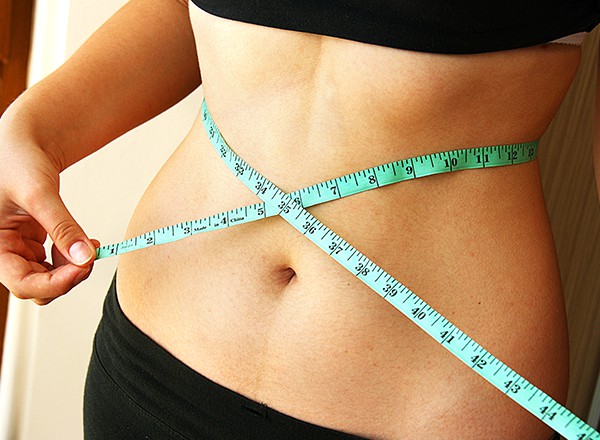
Fat transfers are an effective and safe procedure that provides patients with natural results that increase volume and plump sagging skin due to aging, genes, weight gain or loss. First, our team of experts performs liposuction. Which removes fat from your chosen area (usually abdomen, love handles, thighs or lower back). The surgeon then injects stored fat into your chosen area. During our fat transfer procedure, there is no risk of allergic reactions since your natural cells are used.
Fat Transfer
Cosmetic surgeons have performed fat transfers for decades. However, the results were subprime because of the poor fat graft procedures used in the past. Due to huge medical advances and modernized liposuction systems, this has all changed. The newest techniques for successful fat transfers are the Aqua Lipo, water assisted liposuction, power assisted liposuction, ultrasonic liposuction and vibroliposuction.
Advanced Liposuction Centre’s cosmetic surgeon, Dr. Giraldo and his partner Dr. Robinson were the first doctors in the US to perform liposuction with vibrating cannulas. Together, they trained surgeons across the country using this technique and today, thousands of patients have had successful procedures with beautiful, long-lasting outcomes. According to the Journal of Plastic and Reconstructive Surgery, both water and power assisted liposuction cannulas had the best success rates.
- Face
- Breasts
- Buttocks
- Hands
- Aging skin
- Hollow cheeks
- Appearance of stretch marks and scars
- Frown lines, laugh lines
- Recessed temples
- Body contour irregularities
- Skin depressions
- Long lasting results
- Natural and smooth outcomes
- Little to no downtime
- Using your own fat eliminates the possibility for allergic reactions
Fat transfers are an effective alternative to injections and fillers with long lasting to permanent results. Ask our specialists during your consultation about the best option for your liposuction goals.
The Ideal Candidate
A healthy man or woman who desires natural volume renewal for certain areas of his/her body to create a natural, beautiful contour. Also, patients with an interest in improving distorted areas from injuries, trauma or surgeries are great candidates for fat transfer.
Trending Now
The Fat Transfer Procedure
Dr. Giraldo uses mild conscious sedation with local anesthesia throughout the entire fat transfer procedure. We use a cannula (small surgical tool) to remove the fat. We connect the cannula to a vacuum, producing a gentle suction mechanism to remove the targeted fat. Modern liposuction advancements target the fat cells and leave a natural collagen shape. Dr. Giraldo, M.D., introduced the Body-Jet Liposuction procedure. This modernized technique combines pressurized water to access the fat tissue. It also spares the remaining area and stem cells. Using this technique is key because there we do not have to enhance the area with platelet rich plasma (PRP), or stem cell isolation. The fat is emulsified while also being extracted. Then, after the fat is processed through the LipoCollector-3 Device, it is ready to be transplanted if desired.
During a liposuction, patients can choose to harvest the fat during the procedure, which means the fat is gently removed from the liposuction area (usually the abdomen, buttocks, thighs or love handles) with a small tool so the fat cell will not become damaged. Then, the fat is placed into a centrifuge which eliminates excess fluids and the dead fat cells are removed. From here, the fat is injected into the desired area (common areas include breasts, cheeks, forehead, neck, buttocks) with a small tool, either slightly under the wrinkle or, in some cases where there is a high vascularity inside of the muscle, the fat is placed in the deep layers of the muscle. The patient’s body will feel tight for a few days and he or she should rest and limit physical activity.
Recovery
- Patients must arrange a family member or friend to drive them home after surgery. We recommend this person stays with the patient for 12 days postsurgery.
- Wear the compression garment for 2 days without removal. After 3 days, the garment can be removed and placed back on. Patients must wear the garment for 3 weeks.
- Patients may shower when they are comfortable. Baths should be avoided for 2 weeks. Hot tubs should be avoided until the incisions have closed.
- Keep treatment area as clean as possible to prevent infection.
- Patients should rest for the first 12 hours after surgery. We urge walking immediately. However, strenuous exercise (lifting weights, aerobics, running) should be avoided for 23 weeks.
- Patients may be discolored and swollen, so we recommend rest for at least 24 hours. Swelling can last up to 24 weeks.
- If patients experience nausea, stick to dry crackers and carbonated sodas. If not, patients may start slowly with bland food and liquids. Drink plenty of water.
- Alcohol combined with medication is dangerous, so carefully follow instructions with your medication.
- Patients should not smoke for at least 14 days after surgery.
- In order to ensure best results, follow all instructions from the doctor and his staff and visit us for your postoperative appointment(s).
When a surgeon does a fat transfers correctly, results can last a lifetime! Call us today to schedule a free consultation on fat injections at 724-683-7581. Also, view our before and after gallery and testimonials to see what kinds of results can be achieved.
Commonly Treated Areas
About Stem Cell Banking
Our cosmetic surgeon, Dr. Giraldo, first conducted research in stem cells during his fellowship at UPMC. Furthermore, he is one of only a handful of doctors in the United States who offers enriched stem cells for fat transfer procedures.
You can harvest 1000x more stem cells from fat than from the marrow of bone! This amazing medical advance derives adult stem cells from your own fat cells. You can use stem cells after heart attacks to repair heart muscle or help with long term heart failure. Skin, organs, blood vessels, ligaments, nerves, … stem cells can help all of them to regenerate from stem cells. In the near future, every patient who undergoes liposuction will likely request saving their fat stem cells for future use by themselves or their loved ones.
Pre and Post Care
Tips for a Recovering Patient
1. Follow directives
After any procedure, you will receive postop directions from your provider to take care of yourself in order to remain safe and in comfort. These hints will also help you obtain or maintain optimal results. Be sure to closely follow all directions.
2. Talk with your provider
Fill out the paperwork honestly and completely. The patient reviews the consent forms and signs off. If for any reason, you have a question about your service, please call us.
3. Enjoy your time off
Plan to have things around your space that make you comfortable. Sometimes patients are most nervous about the recovery time. Use any downtime as time for quiet reflection. Self pamper, and above all – do not rush recovery.
Are you considering breast augmentation?
If you are looking to learn more about breast augmentation surgery, the following article examines why some people choose to have the procedure done. Here, I will go over frequently asked questions and give you an idea as to what you can expect if you choose to have the surgery.
Let’s start with the basics. There are currently two types of FDA approved breast implants available. Both have their pros and cons. Below I will lay out the major differences between silicone and saline implants. There is no right or wrong choice. You should pick the implant that best helps you feel your best, balancing looks and safety. Each case is unique. Our professionals are here to directly answer any of your questions or concerns.
Why is Fat Transfer Better than Implants
Early Signs of Breast Implant Complications
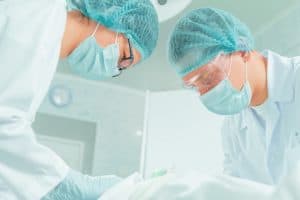
If you have recently undergone breast implant surgery, you should keep an eye out for signs of possible complications. Complications can mean that something went wrong during the procedure or that your body is reacting abnormally to the implant, the incision, or the anesthesia.
Early signs that something may be wrong with your breast implant surgery are:
- redness of the skin around the area,
- unexpected swelling that does not subside on its own and
- a burning-like sensation
If you notice any of the aforementioned symptoms, contact the clinic where the operation took place immediately for further instructions. Depending on the symptoms and their seriousness, you may need to go into the clinic for a follow-up exam or it may be recommended that you go to the hospital.
If you are concerned that your operation was not carried out properly or if you are unhappy with the outcome of the surgery, directly contact the surgeon who performed the operation.
Frequently Asked Questions
How long do fat injections last?
If the fat is harvested, processed, and injected correctly, the result will be long lasting. The procedure should not require touch ups or a second round of fat injections. The result is highly dependent upon the experience of the surgeon, and surgeons who are not using correct purification or injection techniques will not obtain long lasting results. During his fellowship at UPMC, Dr. Giraldo, M.D., trained extensively in tissue transplantation. Experience matters, and he’s performed many procedures on countless satisfied patients!
Who is the ideal candidate for a fat transfer?
The ideal fat transfer patient is a man or woman in good general health, who wants to restore volume to one area while remove fat from another. The patients may need correction due to past surgeries, trauma or other cosmetic procedures.
What are the chances of the transferred fat becoming reabsorbed?
At the Advanced Liposuction Center, we have a breast saffold ready to go, even prior to inserting the fat grafts. The scaffold is apt to handle large fat volumes and ensure that most of the fat cells will survive. Our fat grafting technique has a high amount of reabsorbed fat, about 50%.
Must the patient have a certain amount of body fat?
We achieve admirable results from women and men of all sizes. The procedure has double benefits if you have some fat to spare in a certain area, and would like another area to become more voluminous.
When the fat is taken from the donor site, does that area look saggy?
No, with our harvesting method, the donor site tightens.
Do the fat cells become absorbed by the body after transfer?
It’s now known that the variable for successful augmentations is not the actual fat graft, but the site where the fat is being transferred. As long as the recipient site is well prepared, the majority of the fat will survive.
How much time does it take for the fat graft blood supply to work?
The added blood supply to the graft can take several months. About 6 months post-operation, patients will realize their grafts will begin to show and the area will become more full. This process can take 12 to 18 months after the surgery.
How long do the results last for fat transfers?
Every person is different and has several variables that determine how long fat transfers last. It can be permanent or last several years. Factors such as aging and weight gain or loss contribute to this.
Can I get a fat transfer more than once?
Yes. If necessary, additional procedures may be done without any complications. Patients must wait 12 months for another procedure.
What is the difference between fillers and a fat injection?
The most vital difference between fat transfers and dermal fillers is that fat transfers do not bring any foreign substance in the body and are temporary. Sometimes, although rare, the body can reject a filler or injectable because it does not know what it is. Fat transfers are a great option for people who are allergic to ingredients in fillers and injectables, such as hyaluronic acid and botulinum toxin A. Another factor to consider is that fillers last several months where fat transfers can last several years and may even be permanent.
Are fat transfers painful?
Most patients experience initial discomfort, which only lasts short term. Dr. Giraldo prescribes oral pain medication if needed.
Is Natural Breast Augmentation for me?
The ideal candidate for Natural Breast Augmentation is looking for a permanent increase of one to two cup sizes. If you have been considering implants for a one to two cup size increase, natural breast augmentation is a more natural alternative. Women normally lose volume after breast feeding and aging. This is a way to take your own body’s fat stores and safely and permanently transfer them to your breasts. No need for silicon or saline which often need to be replaced every 10 years.
What are the signs of complications after a fat transfer?
Signs of complications after a fat transfer procedure can include:
- Infection: Redness, warmth, swelling, and increased pain at the donor or recipient site, along with fever or chills.
- Seroma or Hematoma: Fluid or blood accumulation under the skin, leading to swelling, bruising, and discomfort.
- Fat Necrosis: Hard lumps or nodules forming in the treated area, which may be tender or cause irregularities in the skin texture.
- Poor Graft Survival: Lack of improvement or visible reduction in the volume of the treated area over time, indicating that the transferred fat did not survive.
How does smoking affect the outcomes of a fat transfer procedure?
Smoking negatively affects the outcomes of a fat transfer procedure in several ways:
- Reduced Blood Flow: Smoking constricts blood vessels and reduces blood flow, which can impair the survival of the transferred fat cells that rely on a healthy blood supply to thrive.
- Impaired Healing: Nicotine and other chemicals in cigarettes can delay wound healing by reducing the oxygen and nutrient supply to the tissues, increasing the risk of infection and complications.
- Increased Risk of Necrosis: Poor blood supply due to smoking can lead to fat necrosis, where the transferred fat cells die, resulting in lumps, hard nodules, and irregularities in the treated area.
- Higher Complication Rates: Smokers have a higher risk of developing complications such as infections, seromas, and hematomas due to impaired immune function and slower healing.
For more information about cosmetic surgeries, recovery or scheduling
please call us at 724-683-7581